This article is part of a blog series, which explores the use of Digitalization and the Internet of Things (IoT) to improve productivity, efficiency, and Safety in the Construction industry.
IoT enables digital transformation in an industry traditionally slow to adopt new technologies, helping future Construction sites to be interconnected and automated in an intelligent environment.
Today, IoT in Construction enhances efficiency and Safety thanks to Realtime tracking of assets (tools, vehicles, materials) and staff equipped with wearables, helping site managers to monitor vitals and hazardous locations.
Remote Construction monitoring with drones and sensors helps automate predictive maintenance for equipment, optimize resource/energy management, reduce costs, and improve Safety, enabling data-driven decisions for more innovative project management.
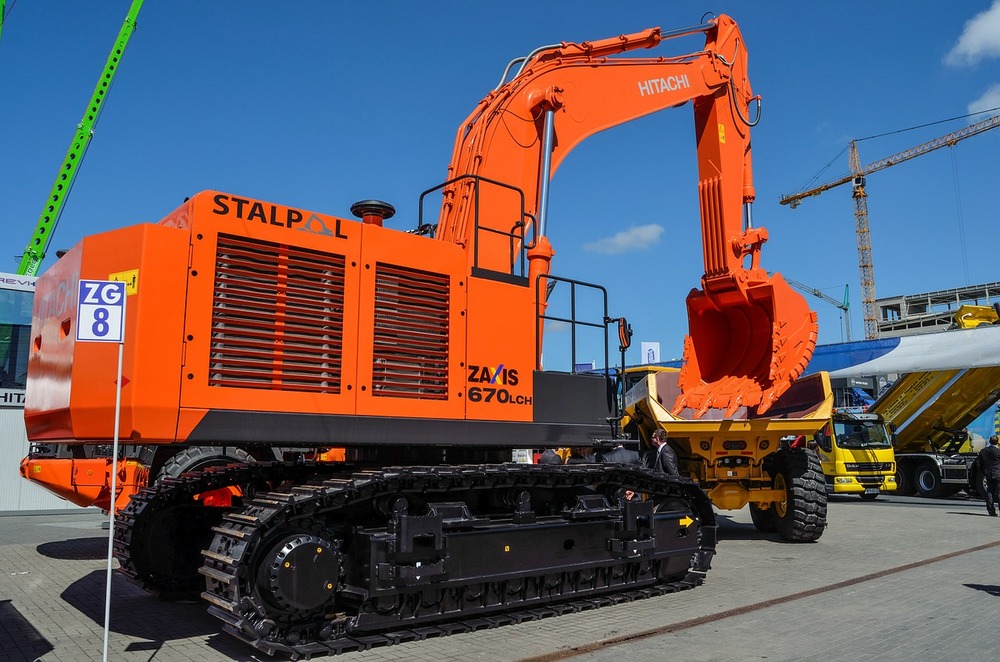
Tools and machinery equipped with GPS/RFID tags help reduce theft, optimize search times, and track utilization, thereby improving resource allocation.
A new excavator fitted with a GPS tracker and a QR code tag. In the meantime, a box of drills gets QR codes on each drill, so a crew leader can scan the excavator's QR code to assign it to a project and scan individual drill codes from the site office.
Now the system can log into the excavator's hours and location to identify all drills assigned to the project, so if the excavator moves out of the designated area or if a drill is missing after a week, the system sends an alert to the site manager.
The software provides reports on equipment utilization, maintenance needs, and accurate cost allocation for the project. Key Technologies used in this case are GPS, Telematics, IoT, RFID, and Barcodes.
Better asset utilization, reduced downtime, and optimized workflows.
Helmets using cameras, vests equipped with GPS/proximity alerts, biometric wristbands, and smart clips for fall detection, all integrated with sensors at your Construction sites to monitor vitals, location, fatigue, and hazards.
Smart wearables send alerts to supervisors when an emergency, such as a fall, proximity to heavy machinery, or a high heart rate, occurs, improving Safety, ensuring OSHA compliance, and enabling remote oversight.
Smart Helmets equipped with cameras, GPS, and Augmented Reality (AR) displays for blueprints and instructions by detecting impacts, monitoring surroundings for hazards like falling objects, and alerting workers to nearby heavy machinery.
Intelligent Vests Clip-ons added to the vest contain GPS for location tracking and proximity sensors for collision avoidance with forklifts or other workers. They are geo-tagging to alert users entering restricted or hazardous zones.
Biometric Trackers, wristbands or clips, monitor heart rate, stress, and activity levels to detect fatigue or heat stress. Fall-detection sensor clip-ons may trigger automatic SOS alerts for immediate rescue.
Innovative gloves can detect vibration and dangerous hand movements, warning users of potential repetitive strain injuries.
AR Glasses overlay digital information (plans, Safety data) onto the real-world view, improving task accuracy and awareness.
Sensors on machinery or pipes detect early signs of failure (vibration, temperature, adverse weather conditions), helping anticipate potential repairs, prevent costly breakdowns, and enhance reliability using tools such as vibration analysis, infrared thermography, and oil analysis:
Drones, cameras, and sensors deliver Realtime data for aerial inspections, including hazards, progress, and fresh security information, such as AI analytics, thermal imaging for non-working hours, and progress tracking with 3D models or time-lapses.
It may include drones detecting unsafe scaffolding, allowing managers to manage large sites remotely or in-use Constructions, enhancing Safety and reducing costs by avoiding physical on-site presence. AI cameras spot intruders at night, sensors monitor overheating equipment.
Drones can capture high-res photos/videos for progress reports, create accurate 3D models, replace manual site walks, and identify hazards such as water damage, electrical faults, or unsafe scaffolding without risking workers’ Safety.
Cameras, time-lapse videos, and 3D maps help project stakeholders clearly understand project Development, useful for approvals and internal reviews. Strategically placed cameras with motion detectors and AI analytics can spot unauthorized access, weapons, or suspicious activity. Even when not on site, control centers may send alerts to guards or police for immediate action. Job site cameras provide constant visual access, creating a visual record for quality control and dispute resolution.
Sensors track vibrations, temperature, or pressure in equipment to prevent failures. Thermal sensors detect overheating machinery or potential fire hazards, while other sensors monitor structural integrity.
Drones feed visual data, cameras provide continuous streams, and sensors feed Realtime condition metrics into a central cloud platform.
Machine learning analyzes data to predict risks and send intelligent alerts for proactive intervention. Managers can access reports from anywhere on any device to make data-driven decisions, ensure compliance, and improve efficiency. Tracking material deliveries and stock levels can help prevent shortages and reduce waste.
Innovative meters monitor water, fuel, and electricity, reduce waste, and automate shutdowns. Sensors embedded in concrete and steel measure curing, stress, and humidity, ensuring structural integrity. Realtime tracking of vehicles optimizes routes, fuel usage, and maintenance schedules.
Driving Vision's technology diagnostic examines the best way to incorporate modern technology into your workflows and how to move your organization toward the use of Construction 4.0 technologies, opening new possibilities for your daily planning tasks.
The technology appraisal report will help you explore the investment required to improve your projects' productivity and collaboration, as well as the ROI you can expect.
Implementing BIM can be daunting, but Driving Vision is here to help you at the pace you are comfortable with. Get started by getting in touch now
Seamless Data Transfer

Enhances collaboration between team members
Allows you to build green constructible assets on budget and on time